

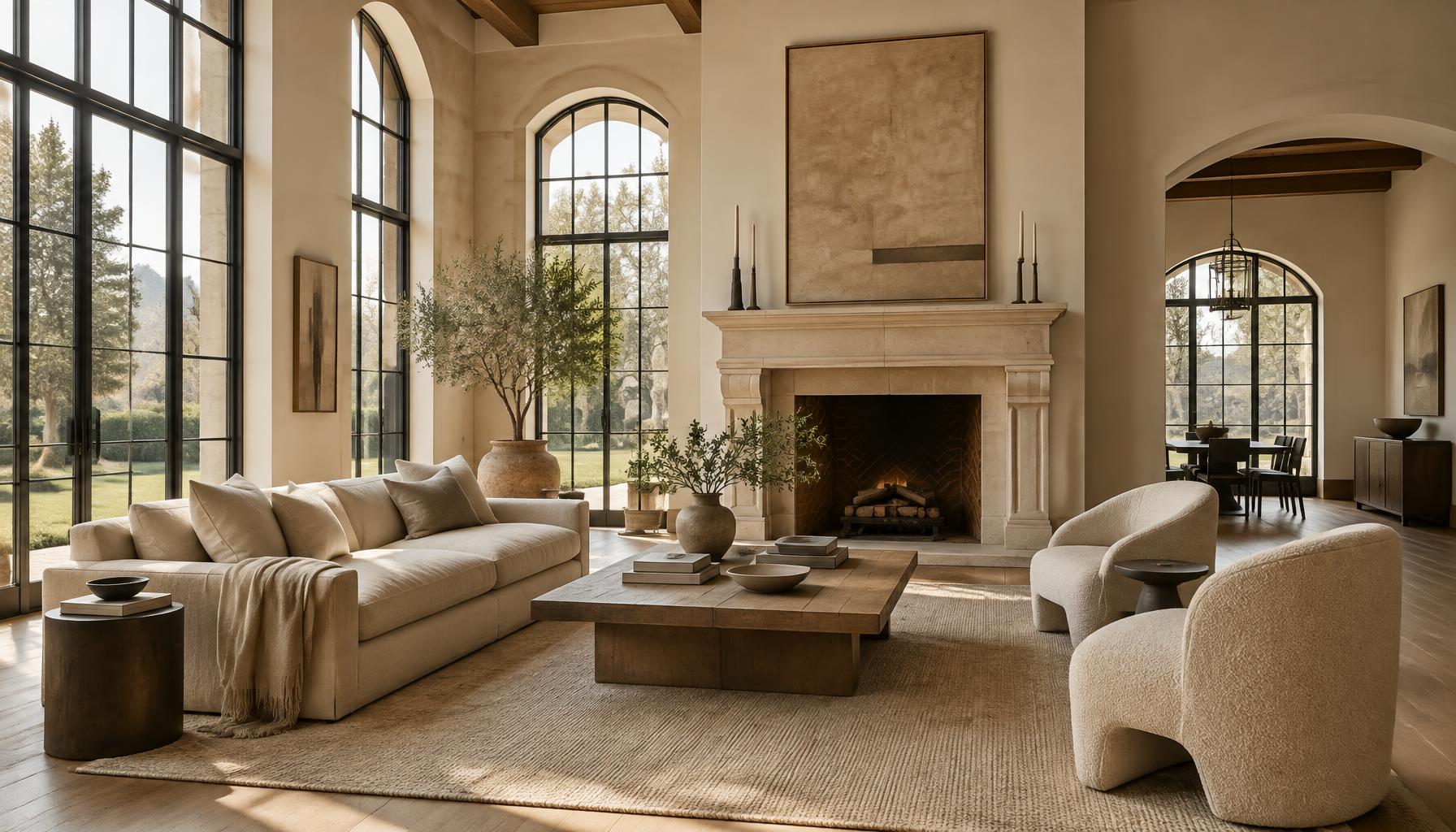
When homeowners begin thinking about a sale, the conversation usually opens with a list: paint the hallway, pull up the rug, stage the dining room, refresh the beds out front.
Some of those tasks may well matter. But a list of tasks is not a strategy. Before deciding what to change, I find it far more useful to ask a different question: what does this property need to communicate when it enters the market?
Answering that question well is the real work of preparation. The goal is a launch in which the home's strongest qualities are understood quickly — what makes it distinctive, how it lives, how well it has been cared for, and how it compares with the other options a buyer will weigh. Presentation, in this sense, is not decoration. It works alongside price, positioning, marketing, buyer expectations, and timing as part of one plan.
01
Begin With the Property, Not a Generic Checklist
No two homes should receive an identical preparation plan. Architecture, age, condition, price point, lot, floor plan, finishes, outdoor spaces, competing inventory, and the priorities of likely buyers all shape what a property needs.
A historic residence shouldn't necessarily be prepared the way new construction is. A golf-course home may have different visual priorities than an urban condominium. A property defined by its outdoor living calls for a different emphasis than one defined by its architecture or interiors. The plan begins by identifying what is meaningful here — and only then deciding what to do about it.
02
Identify the Property's Value Story
Every home has what I think of as a value story: the handful of qualities that, once understood, explain why a buyer should take it seriously. Before anyone moves furniture or chooses paint, it helps to work through a few questions together:
- What makes this property different from the homes around it?
- Which spaces create the strongest experience?
- What might buyers misunderstand or overlook?
- What is visually competing with the home's best features?
- What will be difficult to appreciate through photographs alone?
The answers might point to craftsmanship, a thoughtful renovation, natural light, a primary suite, a finished terrace level, privacy, acreage, a pool, a golf-course setting, or community amenities. The aim isn't to dress these up in superlatives. It's to decide, clearly, what the marketing must make understood.
03
Condition Speaks Before Marketing Does
Buyers read condition long before they read a description. Worn paint, tired hardware, failing caulk, a dated fixture, a sticking door, or a neglected bed can quietly raise a question: if this was overlooked, what else was? Small visible issues sometimes distract from the larger value of a property in ways that are out of proportion to their cost.
That doesn't mean every home needs a major project. It means separating three categories that are often blurred together: maintenance (keeping what exists in sound working order), cosmetic improvement (refreshing how something looks), and capital improvement (replacing or adding something substantial). Each deserves a different kind of decision.
04
Do Not Renovate Without a Reason
Many sellers assume they need to remodel before listing. Sometimes a targeted improvement is worth considering. Often it isn't. Before committing to a substantial pre-sale project, it's worth weighing the condition of the home, what competing properties offer, the cost, the timeline, the disruption to your life, and whether buyers at this level may prefer to make their own selections.
The most important question is whether the change answers a genuine market objection. No improvement comes with a guaranteed return, and spending more to prepare a home does not automatically position it better.
Make changes with a market purpose — not simply because they are available to make.
05
Editing a Home Is Different From Erasing It
Typical advice says to remove everything personal. For a distinctive residence, that can strip away the very character that makes it memorable. Art, a well-chosen collection, or a strong piece of furniture can contribute to the presentation rather than detract from it.
Thoughtful editing has a narrower purpose: to reduce visual competition, open sight lines, clarify scale, highlight architecture, ease circulation, and help rooms photograph cohesively. The objective is not a home that looks as though no one lives there. It is a home where the property — not the belongings — leads the experience.
06
Furniture Should Explain the Space
Well-placed furniture is a form of explanation. It tells a buyer how large a room is, what it's for, how people move through it, and how one space relates to the next — including the connection between indoors and out.
Depending on the home, that might mean editing what's already there, repositioning key pieces, supplementing a few rooms, fully staging a vacant property, or leaving certain areas intentionally quiet. Not every property needs full professional staging, and staging is a communication tool rather than a promise about price.
07
Light Is Part of the Presentation
Light shapes how a home feels in person and how it reads on camera. It's worth looking at window treatments, bulb color and consistency, fixture condition, darker corners, and exterior and landscape lighting.
It's also worth walking the home at different hours. Some properties are at their best in morning light; others come alive in late afternoon, at twilight, or in the evening with the terrace lit. Knowing when a home shows best informs when it should be photographed — and how it should be shown.
08
The Exterior Begins the Story
The approach sets the context for everything that follows. The drive, walkway, entry, front door, plantings, gutters, exterior finishes, terraces, and pool areas all tell a buyer something before they reach the foyer. For estate properties in particular, the grounds, the architecture, and the outdoor rooms are often central parts of the value story, not a prelude to it.
09
Prepare for the Camera Before the Camera Arrives
Most buyers will meet a property on a screen long before they walk through it. That makes photography day far more than "the photographer is coming." The home should be prepared specifically for visual marketing.
The camera notices what the eye forgives: a cord along a baseboard, a glare across a mirror, a recycling bin beside the garage, toiletries on a vanity, a car in the drive, a crease in the bedding, uneven blinds, a pool cover half-drawn, seasonal décor that will date the images. Preparing sight lines, surfaces, reflections, and exteriors in advance supports every visual asset that follows — photography, video, floor plans, virtual tours, a property website, and social or digital advertising, where those tools suit the home.
10
Luxury Marketing Requires Visual Discipline
More photographs do not automatically make better marketing. The point is not to document every corner, but to communicate the property accurately and compellingly. That calls for intentional sequencing, a strong lead image, architectural detail, exterior and lifestyle views, floor plans, and — where appropriate and legally permitted — aerial, twilight, or video work.
Good marketing creates enough understanding, and enough interest, that the right buyer wants to experience the home in person. It should never misrepresent what that buyer will find when they arrive.
11
Preparation Should Consider the Competition
Presentation decisions shouldn't be made in isolation. A home is judged against the choices a buyer actually has: active and pending listings, recent sales, new construction, and properties at a similar price point, style, or amenity level. The question is not how to copy those homes, but how this one needs to present relative to them. Preparation and timing should be considered together — read our perspective on Timing a Luxury Sale: What Matters More Than the Season.
12
Preparation Is Also Operational
A market-ready home is organized as well as attractive. Depending on the property, that may mean gathering renovation records, repair documentation, warranties, service records, appliance information, the ages of major systems, HOA and amenity details, and other relevant documents — along with clear showing instructions and an access plan. For distinctive homes, preparation addresses both how the property looks and how the sale will function.
13
Think About the Showing Experience
Digital presentation earns attention; the physical visit has to confirm it. Comfortable temperature, consistent lighting, cleanliness, neutral air, open window coverings, prepared outdoor spaces, thoughtful arrangements for pets, and secured valuables all matter. So do privacy and security. Gimmicks rarely help. The strongest showings let the property remain the focus.
14
Know When to Stop
Preparation can become its own obstacle. It's easy to keep postponing a launch in pursuit of one more improvement. At some point, the question needs to change from "What else could we improve?" to "Is this property sufficiently prepared to support our positioning and launch?"
A home does not have to be flawless to be market-ready. The objective is thoughtful readiness — not perfection.
15
Presentation and Pricing Must Tell the Same Story
Presentation, positioning, and price reinforce one another. A beautifully prepared home can still struggle if its pricing is disconnected from market evidence and buyer expectations. Likewise, sound pricing doesn't make presentation unimportant. When the three are aligned, the message a buyer receives is consistent — though no combination of them can guarantee a price, an offer, or a timeline.
—
Across Metro Atlanta
These principles play out differently across the region. A Buckhead estate may call for a different visual strategy than a Midtown condominium. A golf-course residence in a community such as Sugarloaf Country Club may have different priorities than new construction elsewhere in the metro. A property with acreage may lean on land, approach, and privacy; an urban residence on architecture, views, amenities, and access. These are only examples — the same thinking applies wherever a home is located. You can explore the region through our community guides.
—
Not Only for Luxury Homes
Strategic presentation isn't reserved for a particular price point. Every seller benefits from understanding what makes their home competitive, what truly deserves attention, what doesn't require unnecessary spending, and how the property should be introduced. In this article, "luxury" describes the level of thought behind the preparation more than any price threshold.
—
Closing Thoughts
Preparing a home for market is not about creating an artificial version of it. It is about removing distractions, addressing what genuinely matters, strengthening the presentation, and letting the property's most compelling qualities be understood. If you're beginning to think about a sale, our seller services outline how we approach that process.
The aim isn't to make a home resemble every other listing. It's to prepare it so the market can see clearly why this one deserves attention.
Presentation isn't the final touch. It is part of the strategy.
Every great legacy was once just a great decision.